The Environment
2026-02-20
I am not sure why I have not written this sooner. I just never got around to it.
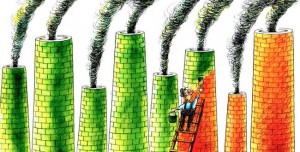
This might read like an old man yelling at a cloud. The topic is old, the outrage is dated, and nothing here is groundbreaking. What bothers me is that six years later, nothing has improved in my region. The mentality is still deeply ingrained. It has calcified. A culture of guilt has taken root, fused with constant warnings of irreversible collapse and institutional rules handed down from above. People care less about understanding impact and more about avoiding judgment. The result is not thoughtful environmental stewardship, but citizens walking on eggshells, afraid of being called out for something as trivial as asking for a paper bag. Yes, you heard me: we have reached a point where someone can feel socially exposed for asking for a paper bag. That is how far we have drifted, from practical discussion to quiet, performative moral compliance.
This whole “save the planet” frenzy needs to stop. It feels like a distraction from bigger issues. It often comes across as brain dead greenwashing, misdirected efforts wasted on inefficient solutions that do not address the core of the problem.
---
## Part 1, The War on Plastic
Plastic is useful. Plastic straws, plastic bags, even plastic bread clips are very good at what they are designed to do.
In Canada, especially Quebec, the government decided that one of the least polluted parts of the world with a relatively small global environmental footprint needed to sacrifice practicality in the name of saving the planet. I am exaggerating a little here to make a point.
Some of the measures put in place:
* Do not work as intended
* Make life more complex and expensive
* Can be counterproductive
* May harm the environment in indirect ways
### Grocery Plastic Bags
Single use plastic was banned, including grocery bags. Let’s break this down.
#### 1. Single use was not always single use
Most households had a “bag of bags.” Plastic grocery bags were reused to:
* Carry items
* Line trash bins
* Store miscellaneous objects
They had multiple uses before disposal.
Now that they are gone, many people buy brand new plastic trash bags.
That raises a fair question, does replacing reused grocery bags with newly manufactured single-use trash bags actually reduce plastic consumption?
Ain't that just objectively worst for the environment?
### Paper Bags as an Alternative
Paper bags are now common. Historically, plastic replaced paper partly because paper production required more trees and energy.
Paper bags:
* Tear easily
* Often lack handles
* Are less durable in wet conditions
They may solve one problem while creating way more!
### Reusable Bags and Personal Constraints
Reusable bags are widely promoted. In theory, they are a better long term solution.
In practice, they depend on consistent reuse.
I have been diagnosed with severe ADHD. That means I frequently forget things.
From my perspective, this creates a recurring cost. If I forget my reusable bags, I must:
* Buy paper bags
* Or purchase more reusable bags
Over time, this leads to owning dozens of reusable woven polypropylene bags, which are also made of plastic. While they are durable, not having alternatives available in some places can feel restrictive.
A possible improvement would be allowing consumers to choose between options rather than eliminating them entirely.
---
## Plastic Straws
I recently had a conversation with a cashier about paper straws. Older plastic straws were durable and reliable. The newer alternatives:
* Bend easily
* Break when pressed
* Degrade in drinks
* Feel less functional
* Not a good seal, air seeps trough
Some businesses switched from plastic straws in paper cups to paper straws in plastic cups.
This is to make the consumer feel like something has been done, but if anything a plastic cup is made of more plastic then a plastic straw! And unless you like drinking micro plastic I don't suggest keeping the cup to reuse at home...
I understand the emotional impact of images like a turtle choking on plastic. The real issue, however, may not be the material itself, but waste management systems and improper disposal. If trash were handled correctly, much of this plastic would never reach oceans.
This raises a broader question. Are we addressing materials, or are we addressing systemic waste management failures?
---
## Bread Bag Clips
Many bread products are still sold in plastic bags. However, the small plastic clip has often been replaced with cardboard.
The cardboard version:
* Does not seal as well
* Breaks more easily
* Is less reusable
Meanwhile, the bag itself remains plastic. This can feel like a symbolic gesture rather than a meaningful environmental change.
---
## Recycling and Responsibility
Recycling is often presented as a solution. However, a significant portion of sorted waste still ends up in landfills or is exported. Consumers are conditioned to sort, clean, and prepare materials, yet the larger industrial systems responsible for most pollution receive less scrutiny.
The core concern is not environmental protection itself. It is whether responsibility is being shifted from large scale industrial actors and institutions onto the individual consumers in ways that are inefficient or symbolic rather than effective.